The Nintendo 64 turns 30 this week, and it's still one of the friendliest retro consoles to start collecting. Games are everywhere, the icons are cheap loose, and the ceiling — sealed and graded grails — is high enough to keep things interesting.
Loose vs. complete vs. sealed — pick your lane
Loose carts are the cheapest entry point and they play great. Most N64 games are durable, and a loose copy of Super Mario 64 or Mario Kart 64 is easy to find for under $40. If you're here to play, this is where you start.
Complete-in-box (CIB) is where collector value lives. N64 boxes were cardboard, easily trashed, and most kids threw them away. A game with its original box and manual commands a significant premium over a loose cart — and the gap is only widening. If you care about condition and resale value, CIB is the sweet spot.
Sealed and graded (WATA, VGA, CGC) is the blue-chip tier. These are for collectors who understand grading, comps, and population reports. Reserve this lane for when you've done your homework — a sealed Ocarina of Time can cost thousands, and not every seal is original.
What to buy first
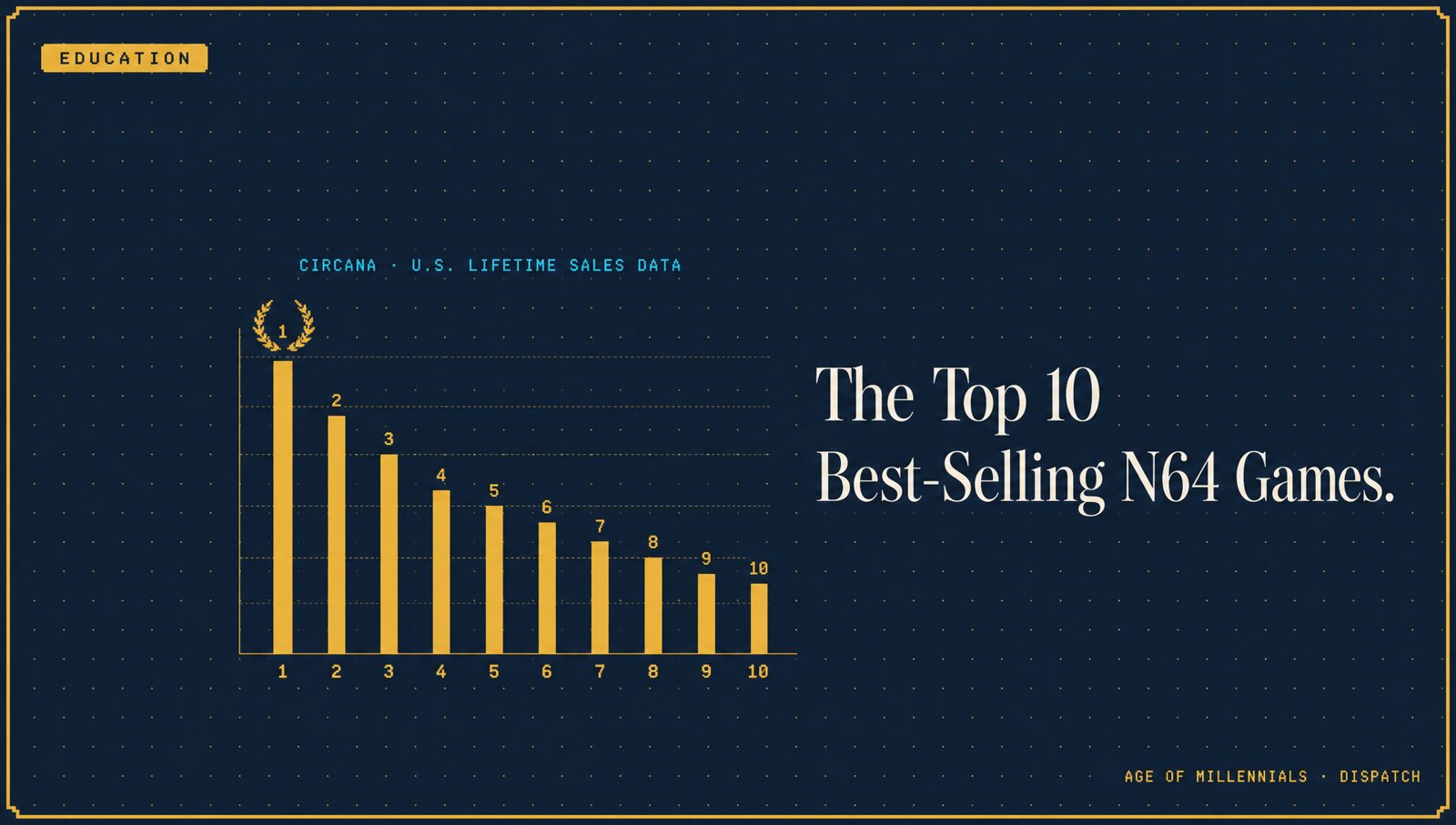
Start with the icons you'll actually play. The best-sellers — Super Mario 64, GoldenEye 007, Mario Kart 64, Ocarina of Time — are cheap loose and common enough that you can shop for condition. Decide early whether you're a player-collector (buy loose, play everything) or a condition collector (chase boxes, manuals, and clean labels). Both are valid; mixing the two without a budget is where people overspend.
Authentication and grading basics
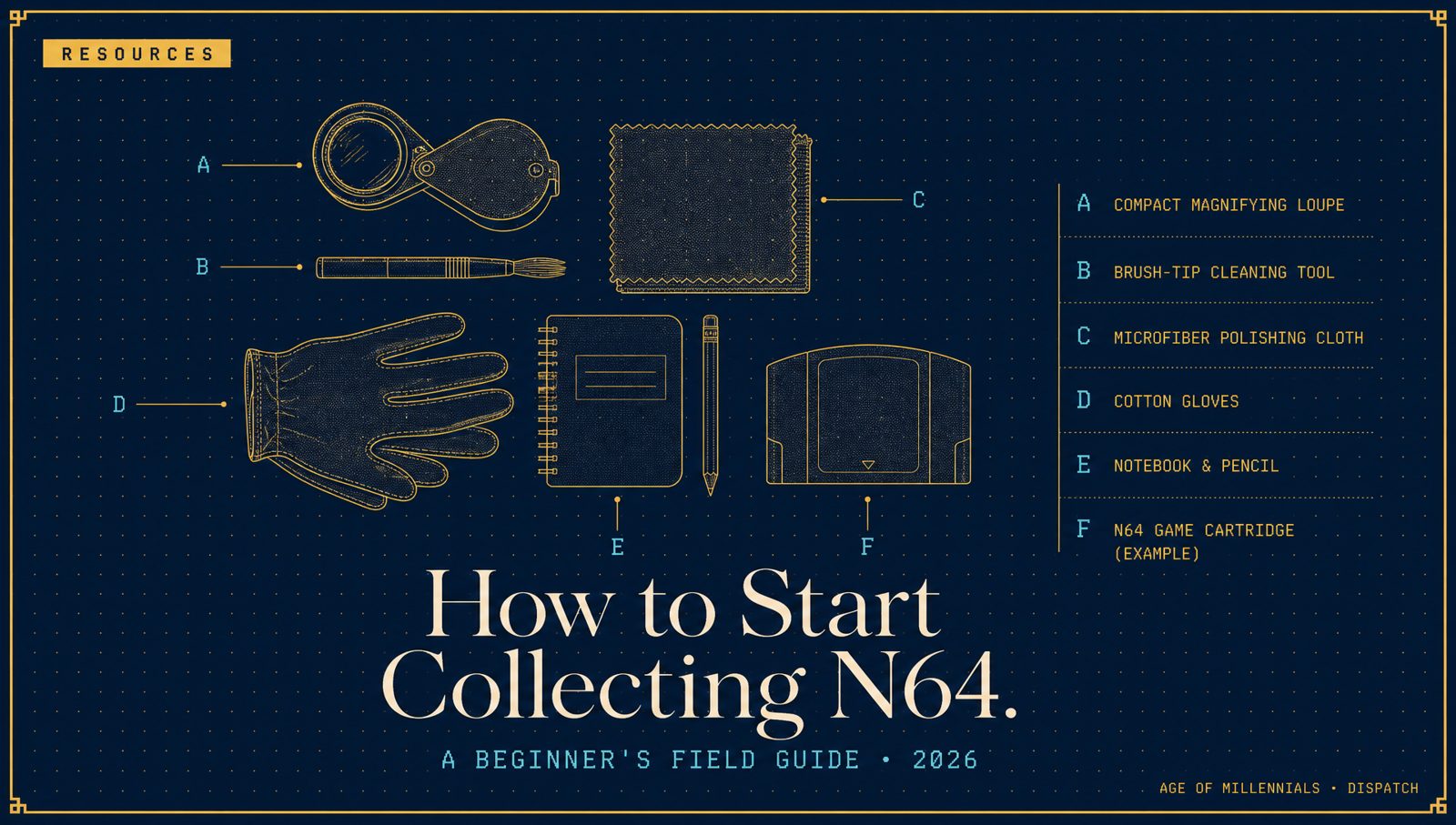
Reproduction carts and resealed boxes exist in the N64 market. Learn the tells before you spend real money: label printing quality, board and chip date codes, and seal characteristics (shrink-wrap texture, seam placement, and any signs of reapplication). For anything expensive, buy graded or from sellers who show clear, well-lit photos of every surface — and always verify the cert on the grading company's website before you buy.
Hunt smart (and local)
Online comps set the price, but local shops hold the deals — and the condition surprises. A shop that hasn't checked eBay in a week might have a CIB Star Fox 64 at half the going rate. Use the Gem Hunter Map to find retro game stores near you that buy, sell, and trade, then check live recent sold signals before you pull the trigger. The best finds are still in the wild.
The takeaway
Collect the way you'll enjoy it. Buy loose and play everything. Step up to CIB on the favorites you want to display. Chase sealed only once you can read comps, grades, and population reports. And verify everything — a cheap cart with a reproduction label is still a bad buy.
Signal, not an appraisal — collecting guidance, not financial advice.