◆ Pokémon TCG // DISPATCH · By AOM Editorial Desk · Sep 26, 2026
Prices and product availability as of Sep 25, 2026.
Nine days after the September 16, 2026 worldwide launch of 30th Celebration, the set did the thing collectors asked for: it handed out hits. Then the singles market did the thing that always follows. The generous pull rates are the reason the prices dumped. Both halves of that sentence are the story.
If you opened packs this week, you probably pulled something that looked like a chase card. So did everyone else. What follows is the pack math, the public-sample odds, the short list of cards that still read as a signal, and a rule for when to rip, when to buy the single, and when to walk.
For the full product calendar and every SKU, we keep that in one place: Pokémon TCG 30th Celebration: The Complete Release Guide. This dispatch is the post-launch money map.
What's in a 30th Celebration pack
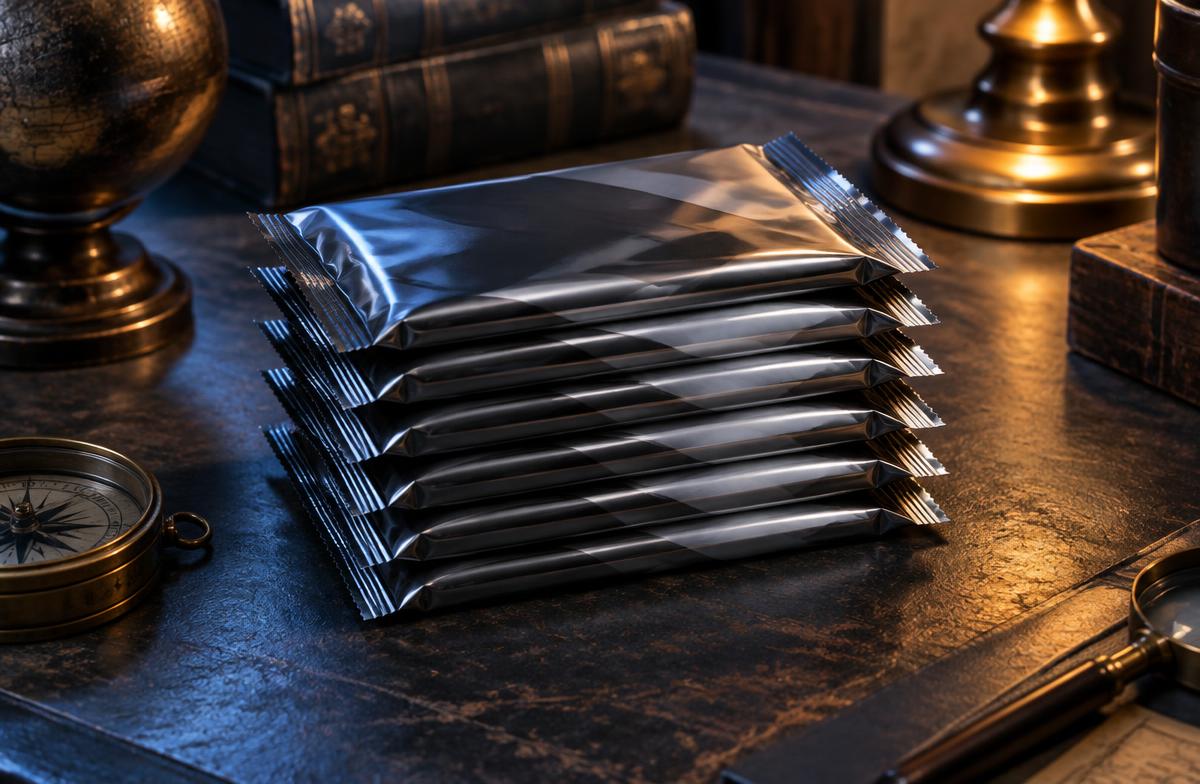
Every English pack holds five foil cards, one foil Basic Energy and a Pokémon TCG Live code card. One of the five is always a Pikachu Rare, drawn from 30 different Pikachu illustrations by 30 artists. Every card in the set is foil, which means "shiny" stopped being a signal on day one.
There is no standard English hobby booster box. Packs live inside products: the Elite Trainer Box, collections, blisters, and later the Booster Bundle, Mini Tins and Ultra-Premium Collections. That matters for the math below, because your cost per pack depends on which box you bought, not on a flat box price.
The set runs 128 main cards, plus secret rares and a 30-card Classic Collection subset of gold-border reprints. Card trackers count 199 total cards, which is why "master set" is a different project from "the cards worth sleeving."
30th Celebration pull rates (public samples)
The Pokémon Company has not published official odds. Everything below comes from public English opening samples: TCGplayer's count of more than 3,000 packs, reported by PokéBeach, and independent stream tallies near 4,000 packs. Treat these as ranges, not guarantees.
| Rarity | Approx. rate per pack | Source type |
|---|---|---|
| Double Rare | ~1 in 5 | Public samples |
| Illustration Rare | ~1 in 5 | TCGplayer 3,000+ packs |
| Classic Collection (any of 30) | ~1 in 10 | TCGplayer 3,000+ packs |
| Classic Collection (one named card) | ~1 in 295 | Derived from sample totals |
| Special Illustration Rare (any) | ~1 in 18–21 | TCGplayer + stream samples |
| Futuristic Rare (any) | ~1 in 100–120 | TCGplayer + stream samples |
| RGB Mew (R, G or B) | Unknown | Too few pulls to estimate |
| Pikachu Rare | 1 per pack (guaranteed) | Pack design |
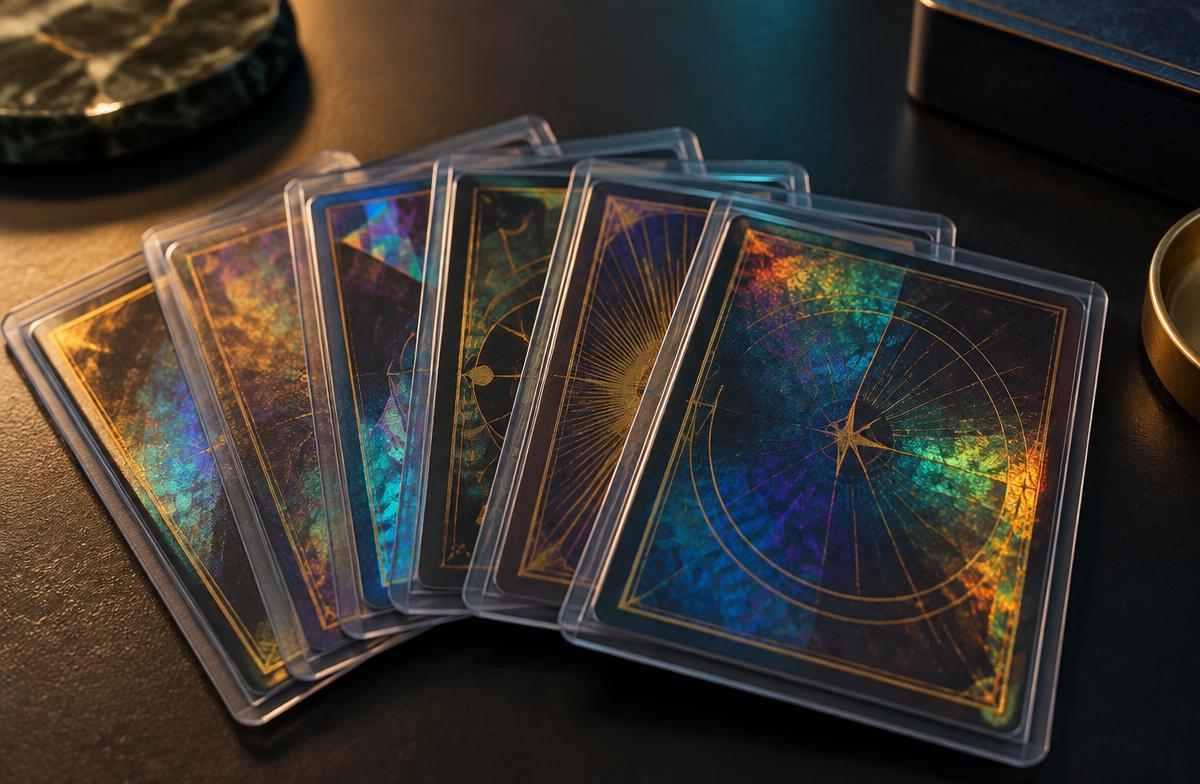
For context, older modern-era sets often put full-art hits closer to 1 in 100 packs, per Kotaku's reporting. Here a Special Illustration Rare lands roughly every 18 to 21 packs. That is the friendliest hit rate in years. It is also a supply number.
The line that matters most for a millennial with a Base Set memory: a named Classic Collection card is about 1 in 295 packs. "Rip this ETB for Charizard" is a hobby, not a plan.
What one Elite Trainer Box actually buys you
Run those rates through a nine-pack ETB and the picture gets specific. These are simple probabilities from the ranges above, not a promise.
| Outcome in a 9-pack ETB | Chance |
|---|---|
| At least one Illustration Rare | ~87% |
| At least one Classic Collection card (any) | ~61% |
| At least one Special Illustration Rare (any) | ~36–40% |
| At least one Futuristic Rare (any) | ~7–9% |
| A specific Special Illustration Rare | ~4–5% |
| Base Set Charizard reprint specifically | ~3% |
A Pokémon Center ETB's 11 packs nudge each line up a few points. Nothing in that table is a reason to buy an ETB for one card.
Why launch-week prices dropped
Three forces hit at once. None of them mean the set is bad. They mean the early prices were set by people who had not opened it yet.
1. Generous hit rates flooded supply
At roughly 1 Special Illustration Rare per 18–21 packs and an Illustration Rare in about every fifth pack, every opened case put multiple hits on the market. When the average ETB produces a card that looks like a chase, the chase card stops being scarce. Good odds are great for the person ripping and hard on the person selling.
2. Presale asks were priced on imagined scarcity
In the weeks before the Sep 16, 2026 launch, the Futuristic Rare Mew ex carried presale asks above $3,000, and Kotaku reported it routinely selling between $850 and $1,400 from late August to mid-September 2026. By Sep 25, 2026, PriceCharting's raw sold signal sits near $105. Nobody knew the Futuristic Rare rate until packs opened. Once they did, the price met the odds.
3. One global street date, no staggered window
30th Celebration is the first Pokémon TCG expansion with a simultaneous worldwide launch. There was no Japan-first window for early sellers to charge an information premium, and every region's supply hit the same week. Kotaku has reported an unusually large print; The Pokémon Company has not published print figures, so we treat the size as unconfirmed.
Most valuable 30th Celebration cards: still a signal vs pretty, not scarce
Here is the bar we use. A card "clears the threshold" when it passes two tests: the named card is rare on its own (roughly 1 in 200 packs or rarer), and it has a reason to be wanted outside this set, such as a 1999 painting, a first-of-its-kind rarity, or a generational anchor. Price is shown as a dated snapshot, not a verdict.
All prices below are raw (ungraded) snapshots from PriceCharting's aggregation of public marketplace sales, pulled Sep 25, 2026. They will be wrong by the time you read this. Check live market.
| Card | Named-card odds (approx.) | Raw snapshot, as of Sep 25, 2026 | Read |
|---|---|---|---|
| RGB Mew (R / G / B) | Unknown, extreme | ~$3,700–$4,000 each | Signal, thin data |
| Crystal Lugia (Classic Collection) | ~1 in 295 | ~$270 | Signal |
| Base Set Charizard (Classic Collection) | ~1 in 295 | ~$190 | Signal |
| Mew ex SIR | ~1 in 180–210 | ~$175 | Borderline |
| Magikarp (Classic Collection) | ~1 in 295 | ~$115 | Signal |
| Mew ex Futuristic Rare | ~1 in 200–240 | ~$105 | Watch |
| Pikachu ex SIRs (day / night) | ~1 in 180–210 each | ~$85–$105 | Pretty, not scarce |
| Gengar Prime (Classic Collection) | ~1 in 295 | ~$90 | Signal |
| Mewtwo ex Futuristic Rare | ~1 in 200–240 | ~$85 | Watch |
Named-card odds assume the rarity's hits are spread evenly across its cards. The Pokémon Company has not confirmed that.
Still a signal
RGB Mew. Three unnumbered Mew cards marked R, G and B have been pulled in the wild, and The Pokémon Company has not published a rate or an official explanation. Samples of 3,000+ packs did not produce enough of them to estimate odds. PriceCharting shows each color around $3,700 to $4,000 raw as of Sep 25, 2026, on very few sales. Check live market. This is a genuine scarcity story. It is not something to plan a purchase around, because nobody can tell you how many exist.
Crystal Lugia (Classic Collection). The Aquapolis Crystal-type Lugia is the top non-RGB card as of Sep 25, 2026, about $270 raw near-mint on public marketplaces. Check live market. The original e-Card era print was small and the card is famous for it. The reprint borrows that gravity honestly.
Base Set Charizard (Classic Collection)
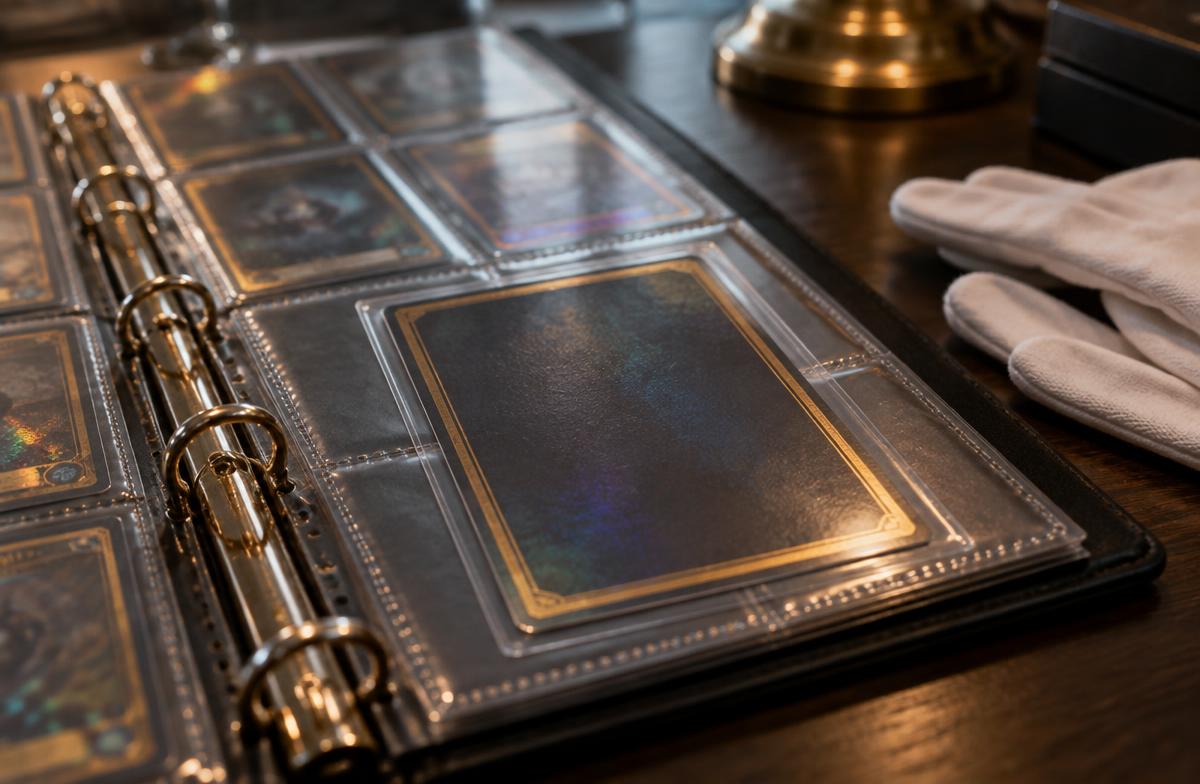
Mitsuhiro Arita's Base Set Charizard is the card this generation drew on notebook covers. The 2026 version is a gold-border souvenir of the 1999 painting, not a 1st Edition and not a substitute for one. It sat about $190 raw near-mint as of Sep 25, 2026 on public marketplaces. Check live market. Its demand comes from outside the set, which is why it held better than the new chase cards.
Magikarp (Classic Collection). The 2023 Paldea Evolved Magikarp is the modern-era pick in the subset, and it sat about $115 raw near-mint as of Sep 25, 2026 on public marketplaces. Check live market. It passes both tests: rare as a named pull, and loved by the art-first crowd that made the original a chase.
Gengar Prime (Classic Collection). The HS Triumphant Prime-era Gengar was about $90 raw as of Sep 25, 2026 on public marketplaces. Check live market. Lower price, same 1-in-295 math, strong 2010-era nostalgia. Quiet, but it clears the bar.
Pretty, not scarce
Pikachu ex Special Illustration Rares (day and night). Beautiful cards, and the centerpiece of the Ultra-Premium Collections. With Special Illustration Rares landing about every 18–21 packs, each specific one is roughly a 1-in-200 pull, and the set is being opened at volume. They sat about $85–$105 raw as of Sep 25, 2026 on public marketplaces. Check live market. Buy one because you love it, not because it is rare.
Futuristic Rare Mew ex and Mewtwo ex
Futuristic Rare is a brand-new rarity with art by YOSHIROTTEN, and first appearances of a rarity tend to get remembered. On odds alone, each Futuristic Rare is about as scarce as a named Classic Collection card. The price already fell from the presale fantasy to about $105 (Mew ex) and $85 (Mewtwo ex) raw as of Sep 25, 2026 on public marketplaces. Check live market. We file these under "watch": scarce enough to matter, too new to know whether the rarity has a following.
The 30 Pikachu gallery
One Pikachu Rare is guaranteed in every pack, so no individual Pikachu is scarce. The set of 30 is the real object. If the 30 are weighted evenly, finishing the gallery from packs takes about 120 packs on average, most of them duplicates. Buying the last ten as singles is cheaper and faster.
A few are worth knowing by artist: 01/30 by Ken Sugimori, the original art director; 25/30 by Atsuko Nishida, Pikachu's character designer; 18/30 by Shinji Kanda. Our working list also flags 15/30 (Yuu Nishida) and 30/30 (Kazuki Minami) as Illustration Grand Prix winners. No one knows yet which Pikachu is "rarest," and we will not guess.
Rip, buy the single, or walk
Three rules, in order. If the first one answers your question, stop reading.
- Want a specific card? Buy the single. At about 1 in 295 for a named Classic Collection card and roughly 1 in 200 for a named Special Illustration Rare or Futuristic Rare, ripping for one card means opening dozens of products. The single is almost always cheaper, and in week two it is cheaper than it was in week one.
- Want the experience? Rip at MSRP only. This is the most fun anniversary product design in years. Opening at list price is a fair trade for an evening. Opening aftermarket sealed is not: PriceCharting showed the standard ETB near $173 as of Sep 25, 2026, against a $49.99 MSRP. At that price you pay sealed-collector money for singles-market odds.
- Want a trade? Walk for now. Week-two aftermarket on a high-hit set is where people lose money. Waves land Oct 2, Oct 30 and Nov 6, and more supply means softer singles. Let the restocks arrive before you decide what anything is worth.
Two exceptions: if you are finishing the Pikachu gallery, cheap packs at MSRP are a reasonable way to fill the first two-thirds. If you want one Classic card for a binder page, buy it raw and sleeve it. Grading math can wait until the supply settles.
Holding sealed for later is a separate hobby with separate rules. That is Dispatch 03, publishing before the Oct 2 wave.
FAQ
What are the pull rates for 30th Celebration?
Public English samples show about 1 in 5 packs for Illustration Rares and Double Rares, 1 in 10 for any Classic Collection card, 1 in 18–21 for Special Illustration Rares, and 1 in 100–120 for Futuristic Rares. The Pokémon Company has not published official odds.
What is the most valuable card in 30th Celebration?
The three RGB Mew cards, around $3,700–$4,000 raw each as of Sep 25, 2026 on very few sales. The top standard card is the Classic Collection Crystal Lugia, about $270 raw as of Sep 25, 2026. Prices move daily, so check live market.
Why did 30th Celebration prices drop?
Generous pull rates put many hits into circulation, presale prices had been set before anyone knew the odds, and the worldwide simultaneous launch released all regional supply in the same week. The drop reflects supply meeting demand, not a flaw in the set.
Is 30th Celebration worth ripping?
At MSRP, for the experience, yes: the hit rate is unusually friendly. For a specific card, no. A named Classic Collection card is about 1 in 295 packs, so buying the single is cheaper. Avoid opening sealed product bought above MSRP.
What is RGB Mew?
RGB Mew refers to three unnumbered Mew cards marked R, G and B that collectors have pulled from 30th Celebration packs. The Pokémon Company has not published a pull rate for them. Public samples were too small to estimate one, so treat them as an unconfirmed rarity.
---
Age of Millennials does not appraise. Numbers here are public-market snapshots, not a value. Verify before you buy.
Pokémon, Poké Ball and The Pokémon Company are trademarks of their respective owners. Age of Millennials is an independent publication and is not affiliated with or endorsed by The Pokémon Company.
Update note: Prices and product availability as of Sep 25, 2026. We refresh this map after the Oct 2, Oct 30 and Nov 6, 2026 waves.
Related dispatches